


Heroes of History: Epic Empire
4.51.41K Reviews
App Specs
- Version
- 1.51.4
- Updated On
- License
- Free
- Downloads
- 1,000,000+
- Developer
- InnoGames GmbH
- Categories
- Strategy
- Platform
- Android, iOS
Screenshots
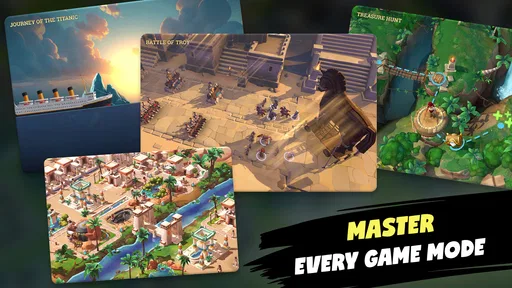
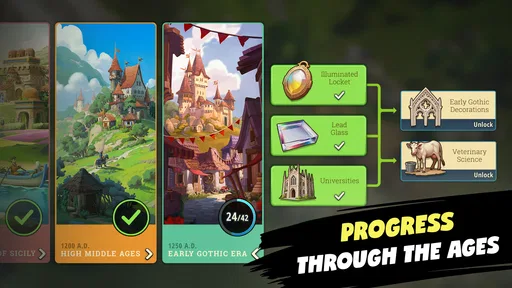

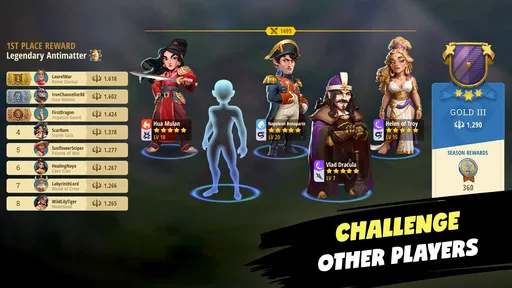
 Analysis by AppCompare
I tried Heroes of History: Epic Empire as the kind of strategy game I can check in short bursts, then return to when I have more time to think. Its central appeal is the combination of building a civilization and using historical heroes in battles. That pairing gives the familiar city-building loop a more personal focus: development is not only about expanding a settlement, but also about deciding which leaders can help it thrive or fight.
Why the heroes change the strategy
In many empire builders, the main decisions revolve around buildings, resources, and expansion. Here, the historical figures give those choices another layer. A hero is not simply a collectible to admire; the idea is to put that character to work in a role where their abilities matter. I find that a more engaging hook than treating every battle as a generic contest of numbers, because it encourages me to consider how my roster supports the rest of the civilization.
That does not mean the hero system automatically makes every choice complicated. Its value depends on how much attention you want to give it. If you enjoy comparing characters and thinking about which one fits a particular task, this setup gives you something to plan around. If you would rather build without managing a cast of leaders, the extra layer may feel like one more thing to keep track of.
The game is a strategy title from InnoGames GmbH, and the title’s central pitch is easy to grasp: develop a society while gathering and directing heroes. I would approach it as a long-running management game rather than a quick tactical challenge with a clear endpoint. The reward is in shaping a growing empire over time, not in finishing one self-contained match and moving on.
Making progress without turning every visit into a chore
In practice, I would treat each visit as a small planning session. Check what the settlement needs, decide which development goal matters most, and then choose a battle or hero task that supports it. This helps prevent the common strategy-game trap of spreading resources across too many upgrades and ending up with a little progress everywhere but no strong direction.
A useful habit is to make one priority explicit before spending. If you want your civilization to become more capable in combat, focus your choices around that rather than diverting resources to every tempting improvement. If you care more about steady growth, give development the attention first and let battles serve that plan. The game’s appeal comes partly from the tension between those aims, so a simple priority can make decisions feel clearer.
For an everyday routine, I can imagine opening it during a break, checking how the settlement is doing, and setting up the next sensible step. A longer session makes more sense when you want to compare heroes or think through a difficult strategic choice. That split is helpful: it gives the game room for both brief check-ins and more considered play, without pretending that every moment needs to be an intense battle.
Worth Reading Before You Choose

Flipboard Shows What News Apps Must Do Beyond the Feed

Switching to Android Auto Means Rethinking Your Driving Routine

Google Calendar Makes a Crowded Week Easier to Manage

Ludo King Makes the Most of the Minutes Between Plans

Baby Panda World Brings Quick Play to Modern Phones, but Its Game Library Feels Busy

ESPN’s Live Game View Makes Following Close Games Easier
How it compares with other strategy games
Compared with a conventional city builder, this game puts more emphasis on heroes and combat alongside the work of growing a civilization. Compared with a battle-first strategy game, its appeal is more gradual: development gives your decisions a wider context, and your leaders connect the empire-building side to the fighting. I would choose it when I want those two activities to support each other, rather than when I want uninterrupted tactical battles.
That blend also means it may not be the best fit for someone who wants a purely historical simulation. The theme draws on history, but the experience is shaped around game systems and heroic characters, not a detailed lesson in historical events. Likewise, players looking for an entirely offline, self-contained experience should be cautious about choosing a game whose appeal includes competing and interacting with other players.
Growing a Civilization Around Its Heroes
The game has reached over a million installs and holds a 4.6 average from around 73,000 ratings, which suggests that its mix of empire management and hero-led action has found a broad audience. It is free to start, though optional purchases range from $1.99 to $199.99 per item. I would keep that range in mind before playing, especially if you prefer games where spending never enters the experience. The content rating is Everyone 10+, and the current version is 1.39.3.
Building Your Empire
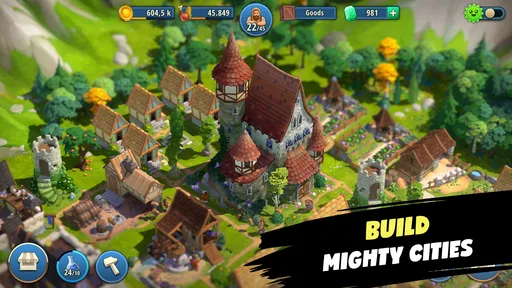
Now, let's talk gameplay. A big chunk of your time will be spent on resource management. You’ll gather materials like wood, stone, and food to expand your territory and advance through the ages. But it's not just about hoarding resources; you also need to keep your citizens happy. Neglect their needs, and you might face rebellions or worse, a dwindling population.
One feature I really like is the tech tree. It’s a massive web of upgrades that lets you tailor your civilization's strengths. Want a fearsome military? Focus on weaponry. Prefer a bustling economy? Pour your resources into trade and agriculture. This customization aspect gives the game a nice layer of depth, keeping you engaged and strategizing for hours on end.
Heroes and Villains
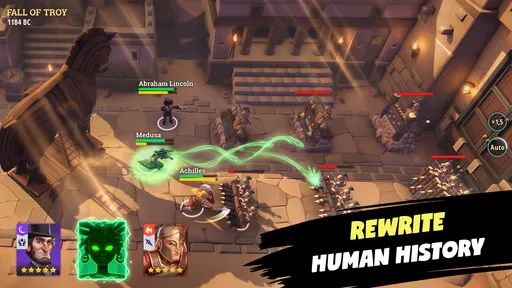
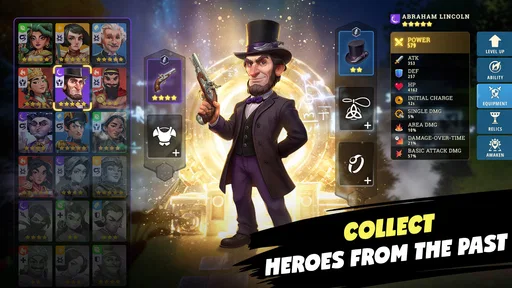
No empire-building game is complete without a few heroes. In Heroes of History: Epic Empire, you can recruit legendary figures from history to lead your armies or govern your cities. Each hero comes with unique abilities that can turn the tide of battle or boost your city’s productivity.
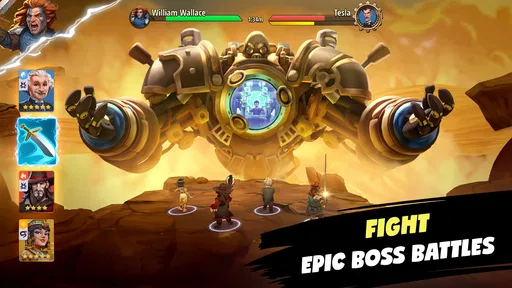
The game also throws in a few villains to keep things interesting. These AI-controlled adversaries will challenge your strategic prowess. They’ll raid your lands, sabotage your cities, and force you to think on your feet. It’s a cat-and-mouse chase that adds a thrilling dimension to the gameplay.
For me, the practical question is not simply which hero seems strongest, but where a hero’s ability can have the most useful effect. A leader who helps a city may be more valuable to steady growth than one saved for a battle that is not yet urgent. Conversely, if an encounter is blocking progress, holding back the right combat support just to keep a roster looking balanced can be a poor trade. I would match heroes to the bottleneck I actually have, then reassess when the empire’s needs change.
That approach is especially useful for a player who does not want to spend constantly. Instead of trying to collect everything at once, focus on making the available roster work well together. It is a more patient way to play, but it can make each recruitment and assignment feel purposeful. The trade-off is that players who enjoy collecting for its own sake may find that progress is less satisfying when they are waiting for a particular character or upgrade.
Multiplayer Mayhem
If you’re the competitive type, you’ll love the multiplayer mode. Here, you can forge alliances and wage wars against players from around the globe. It’s a test of diplomacy and strategy, where one wrong move can spell disaster for your empire. The community is pretty active, and the forums are a goldmine for tips and tricks.
I’ve had a few epic encounters myself, and let me tell you, nothing beats the adrenaline rush of a well-executed siege or a perfectly timed betrayal. Just remember, keep your friends close and your enemies closer!
Multiplayer is most appealing if you want other people to make the strategic landscape feel less predictable. It also changes what a sensible session looks like: rather than treating every visit as isolated progress, you may need to consider alliances and the consequences of conflict. If social competition is not your thing, the hero and civilization-building sides may still be the draw, but I would not choose the game solely for a quiet, solo city-building mood.
A practical way to ease into that side is to learn the core rhythm of development before making ambitious commitments. That gives you a better sense of what your empire can support and helps avoid treating every invitation to compete as something you must accept. For players who enjoy diplomacy, the social layer can be a reason to stick around; for those who dislike negotiating or defending a position against other players, it may be the part that makes the experience feel demanding.
A Few Rough Edges
While the game is a blast, it’s not without its hiccups. For one, the learning curve can be steep, especially for newcomers to the genre. The tutorial covers the basics, but you’ll need to figure out a lot on your own. Patience is key here.
Also, like many free-to-play games, there are in-app purchases. While you can enjoy the game without spending a dime, progressing through some stages can be slow unless you’re willing to shell out some cash. But hey, good things come to those who wait, right?
I would set a personal spending limit before getting invested, rather than deciding in the moment when progress feels slow. The purchase range is broad enough that it is worth treating optional spending as a conscious choice, not as a routine part of building an empire. If you prefer a strategy game with a fixed upfront cost and no purchase prompts, a paid alternative will suit you better. If you are comfortable taking your time, the free entry point makes it easier to see whether the management loop is for you before spending.
There is also a difference between patience and repetition. A gradual game can be satisfying when each visit has a clear purpose, but less so if you feel obliged to check in without knowing what you want to accomplish. I recommend choosing a concrete next goal—such as improving one part of the settlement or preparing for a particular challenge—then stopping when that decision is made. That keeps the game from swallowing spare moments without giving you much enjoyment in return.
Who will get the most from it
I think this is a good fit for players who like watching a settlement develop, making trade-offs between growth and combat, and assigning distinct roles to historical heroes. It is also a reasonable choice if you enjoy strategy games that can be revisited in short sessions but reward longer stretches of planning. The 4.6 average and its broad install base point to a game with substantial appeal, though popularity alone cannot tell you whether its pace matches your taste.
I would steer away if you want a fast, self-contained campaign, a strictly realistic history experience, or a battle-only game where city management stays in the background. The same goes for anyone who finds free-to-play purchases distracting or dislikes gradual progression. In those cases, a premium strategy title with a set price, or a focused tactical game, is likely a better match than an empire builder that asks you to balance several ambitions over time.
Final Thoughts
All in all, Heroes of History: Epic Empire is a captivating blend of strategy, history, and storytelling. It’s a game that rewards patience and strategic thinking, with enough twists and turns to keep you on your toes. Whether you’re a history buff or just someone looking for a new adventure, this game is worth checking out.
So, if you're ready to build your empire and leave your mark on history, download Heroes of History: Epic Empire and start your journey today. Just be prepared to lose track of time—this game has a way of pulling you in and not letting go!
Before you begin
The game was released on September 23, 2024, and requires Android 7.1 or later. That makes it an option for a range of Android devices, but anyone using an older system should check compatibility before planning to play. It has 1.2K written reviews alongside its rating, giving prospective players more firsthand opinions to explore if they want a wider sense of how the experience feels over time.
My advice is to try the opening with a clear question in mind: do you enjoy coordinating a settlement, its development choices, and a roster of heroes, or are you mainly waiting for the next fight? If the management decisions are part of the fun, the game has a good reason to stay installed. If they feel like chores between battles, that is a useful sign to choose a more combat-focused strategy game instead.
Pros
- Engaging historical storyline.
- Stunning graphics and animations.
- Smooth and intuitive controls.
- Regular updates with new content.
- Multiplayer mode enhances gameplay.
Cons
- In-app purchases can be pricey.
- Requires a constant internet connection.
- Some levels are overly challenging.
- Occasional lag in multiplayer mode.
- High battery consumption on older devices.
FAQs for Heroes of History: Epic Empire
What is Heroes of History: Epic Empire about?
Heroes of History: Epic Empire is a strategy-based mobile game that immerses players in historical battles with legendary heroes from different eras. Players can build empires, engage in epic battles, and form alliances. The game combines strategy, historical lore, and real-time multiplayer experiences to create an engaging gameplay environment.
Is Heroes of History: Epic Empire free to play?
Yes, Heroes of History: Epic Empire is free to download and play. However, it offers in-app purchases that enhance gameplay, such as special items, resources, and premium heroes. While purchasing is optional, it can speed up progress and unlock exclusive features. Be mindful of settings if managing purchases for younger players.
What are the system requirements for Heroes of History: Epic Empire?
The game requires Android 6.0 or iOS 11.0 and above to run smoothly. It is optimized for both phones and tablets, but a device with at least 2GB of RAM is recommended for the best experience. Users should ensure they have enough storage space, as updates may increase the app's size over time.
Does Heroes of History: Epic Empire require an internet connection?
Yes, an internet connection is necessary to play Heroes of History: Epic Empire. The game features real-time battles and multiplayer alliances, which require connectivity to function properly. Players need to be online to access all the game's features, including updates and special events.
How does the multiplayer aspect work in Heroes of History: Epic Empire?
In Heroes of History: Epic Empire, the multiplayer aspect allows players to join alliances, participate in guild wars, and compete in leaderboards. Teamwork is crucial for success, as players can strategize with allies and participate in large-scale battles against other players globally. Communication and collaboration enhance the multiplayer experience.


